
Have you ever wondered why a Gin & Tonic always tastes better at a professional bar than at home, even when the ingredients are exactly the same? The secret lies in the “perfect serve”—a delicate balance of chemistry, physics, and aesthetics. Every detail, from the shape of the glassware to the density of the ice, directly influences the final flavor profile of the drink.

Glassware: The Foundation of Aroma
The journey to a perfect gin serve begins with the glass. Its shape determines how the drink’s aromas are delivered to your senses. If you prefer to enjoy gin neat, a tulip glass is the ideal choice; its wide base and tapered rim concentrate the essential oils of the gin botanicals. This specialized design prevents the delicate aromas from dispersing too quickly, allowing you to catch even the most subtle nuances.
For a classic Gin & Tonic, a large Copa-style or balloon glass is preferred. Its generous capacity allows for plenty of ice and garnish while providing enough headspace for the scents of juniper berries and other botanicals to open up. The broad surface area ensures that the carbonation releases these botanical aromas the moment you lift the glass to your nose.

Temperature and Ice: A Critical Ingredient
Many home cocktail enthusiasts make the mistake of being too stingy with ice. It is vital to remember that ice is an ingredient, not just a cooling agent. The more ice you pack into the glass, the greater the thermal mass, which keeps the drink colder for longer and actually slows down the melting process. We recommend using large, clear ice cubes, as they have a smaller surface area relative to their mass, which prevents over-dilution and preserves the integrity of the flavor.
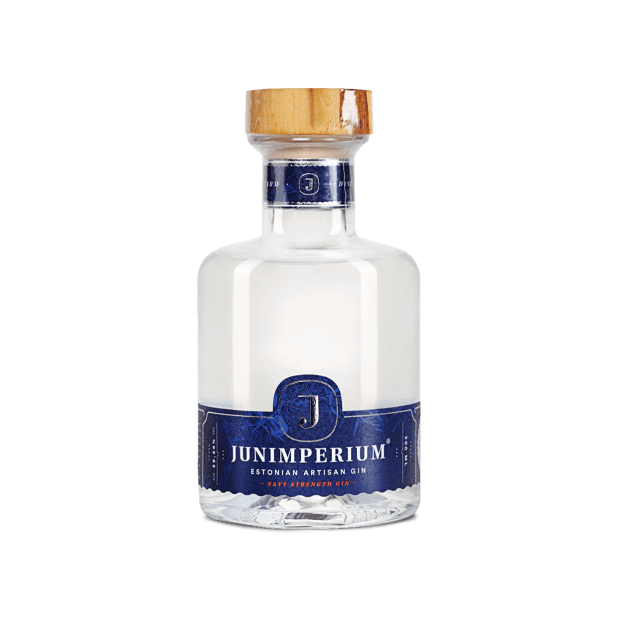
If you are tasting gin neat, the spirit should be served slightly cool, preferably between 15–18 °C. Serving gin straight from the freezer can be a mistake, as extreme cold often suppresses complex aromatic nuances and makes the flavor profile feel flat. For higher-proof spirits, such as Navy Strength gins, try the “dilution technique”: adding a single drop of pure water can help break the surface tension and unlock hidden layers of botanical aroma.
Choosing Your Tonic and the Golden Ratio
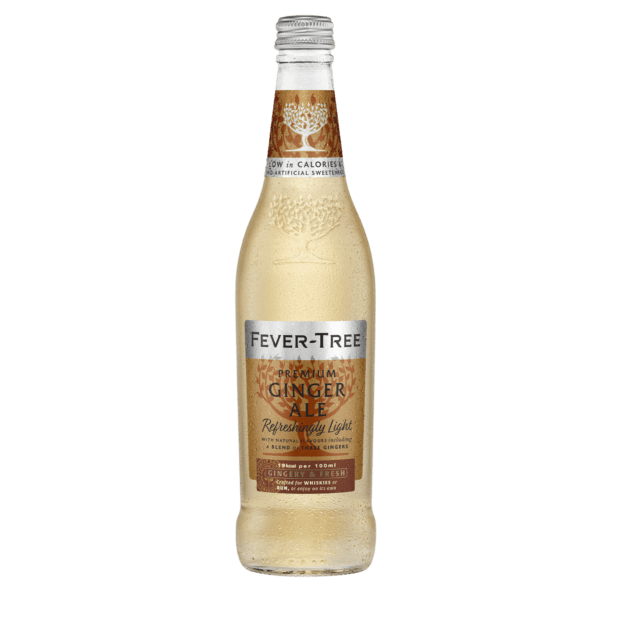
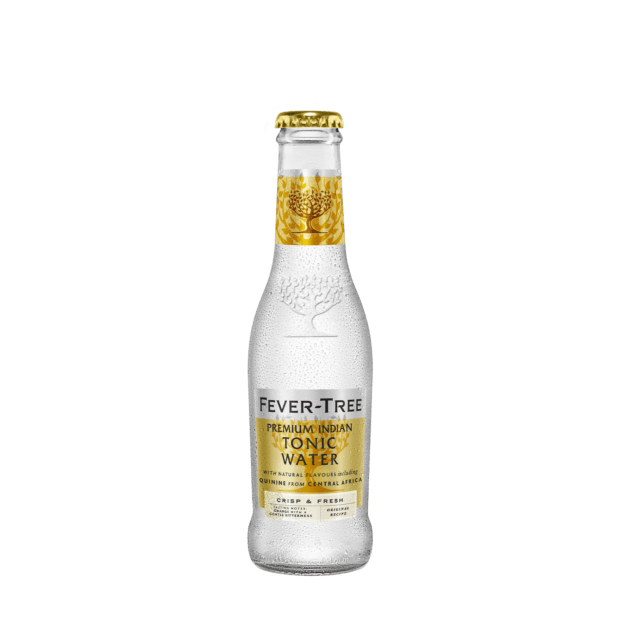
Since non-alcoholic mixers usually make up three-quarters of your drink, the quality of the tonic is paramount. A classic Indian Tonic is quinine-based and dry, making it the perfect partner for London Dry style gins. Meanwhile, more contemporary variants—such as those with lemon or ginger notes—can beautifully complement fruity or barrel-aged gins.
Recommended proportions for the perfect home serve vary by desired intensity:
- A 1:2 ratio (50 ml gin to 100 ml tonic) delivers an intense, gin-forward experience.
- A 1:3 or 1:4 ratio is ideal for a lighter, more refreshing long drink, perfect for sipping on warm summer days.

Garnishes: More Than Just Decoration
Professional serving applies the principles of gin and food pairing directly to the glass. The purpose of a garnish is to highlight the specific botanicals already present in the spirit. Citrus, such as a twist of lemon or orange peel, adds brightness and essential oils. When using fresh herbs like rosemary or thyme, give them a light slap against your palm before placing them in the glass—this physical action “wakes up” the oils in the plant and instantly releases its aroma.
Spices and berries can add even more depth. For example, cardamom seeds or freeze-dried cherries pair perfectly with sweeter or spicier gins. When choosing a garnish, let the character of the gin itself be your guide so that you enhance, rather than overwhelm, its original personality.

The Serving Ritual and Pro Tips
To serve gin like a seasoned bartender, technique and order of operations are key. First, chill the glass by filling it to the brim with ice and stirring until the glass frosts over, then strain out any melted water. Using a precise measure (jigger) is essential to maintain balance and avoid a drink that is either too strong or too diluted.
Use these techniques to preserve the bubbles and freshness:
- Fill the glass with fresh ice and measure the gin over it.
- Tilt the glass at a 45-degree angle and pour the tonic slowly down the side or along a bar spoon to keep the carbonation intact.
- Place the garnish on the surface last, so its aroma reaches the drinker’s nose first.
- Stir the drink only once and very gently to maintain maximum effervescence.
Selecting the Right Gin for the Occasion
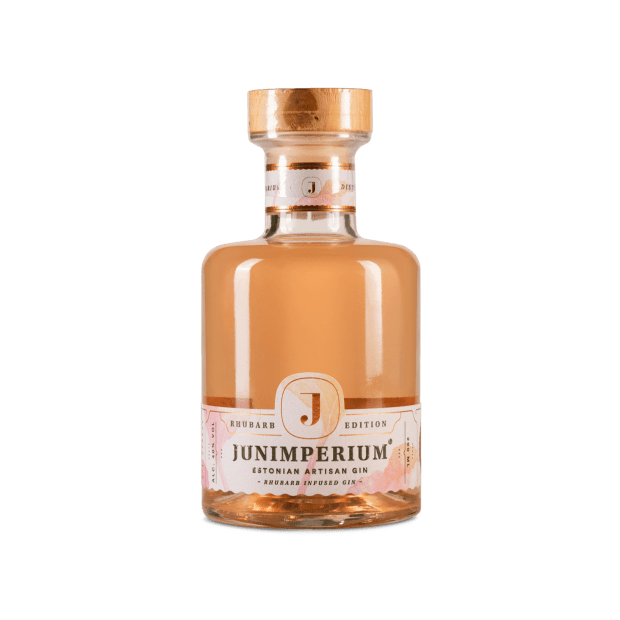
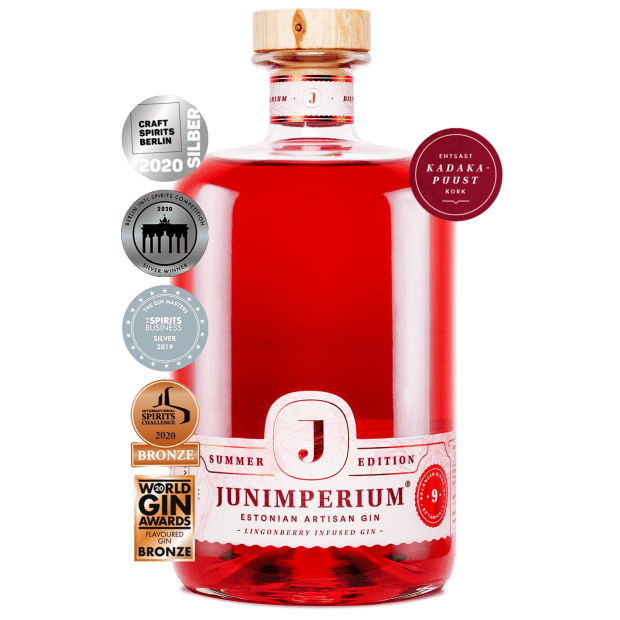
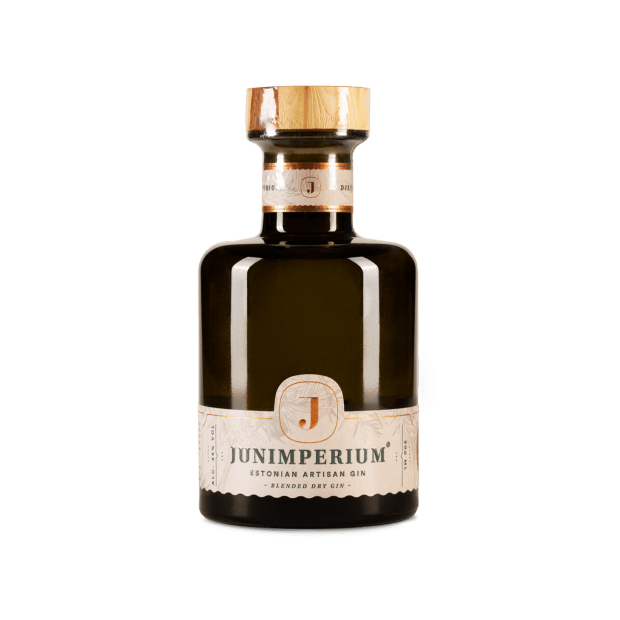
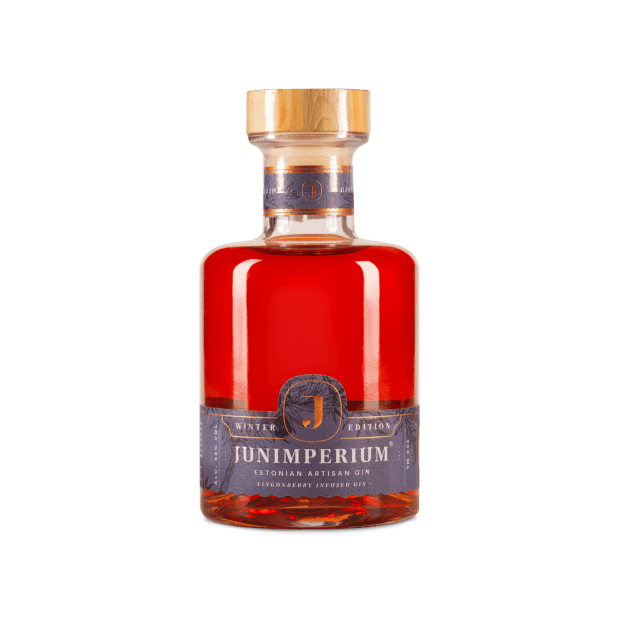
Always choose a gin that matches the mood or the season. A classic London Dry is rich and juniper-forward, making it a reliable choice for any occasion. For summer cocktails, special editions with fresh, floral notes are ideal. Conversely, cooler evenings call for warming, spicy, or berry-forward gins, which are often left unfiltered to preserve the full depth of their botanicals.
If you want to deepen your knowledge of gin culture or find inspiration for new pairings, explore our home cocktail guide or visit our distillery in the Telliskivi Quarter. Mastering the perfect serve is a skill that transforms an ordinary evening into a special occasion.
Discover the full portfolio of Junimperium craft gins and exclusive gift sets in our online store.