
Gin is often overlooked as a dinner companion, but its complex botanical profile offers a versatility that rivals even the finest wines. Unlike wine, gin allows you to play with herbal infusions and carbonation, which serves to refresh the palate between rich bites and reveal subtle layers of flavor in your favorite meat dishes.

The Science of Flavor: Why Gin and Meat Are a Perfect Match
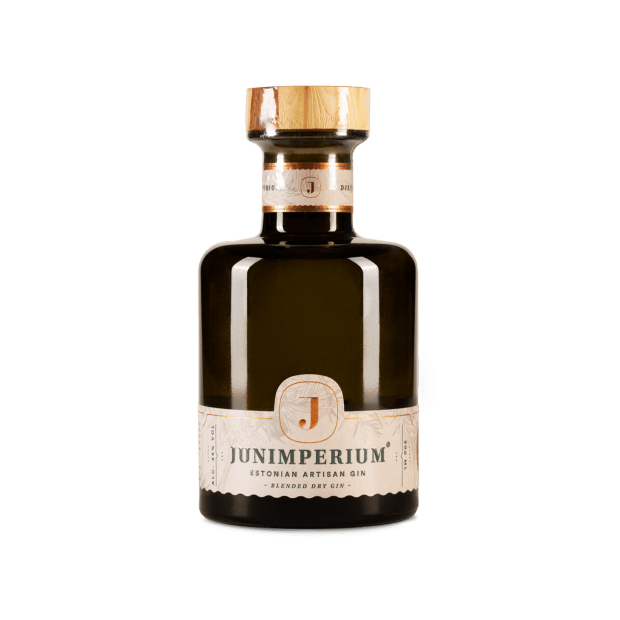
The backbone of any gin is the juniper berry—resinous, piney, and subtly sweet. This profile is a natural fit for savory meats, particularly game. Furthermore, premium craft gins like Junimperium incorporate botanicals such as coriander, citrus peel, and black pepper, creating a seamless bridge to the spices traditionally used in meat preparation.
When pairing spirits with food, there are two primary approaches: harmony and contrast. Harmony focuses on mirroring flavors—for example, pairing a rosemary-heavy gin with a rosemary-crusted rack of lamb. Contrast, meanwhile, uses the drink to balance the dish’s richness; the high alcohol content of a clean gin effectively “cuts” through the fat of a marbled ribeye. For a deeper look at these techniques, explore our guide to pairing gin and food.
Beef and Navy Strength: A Powerhouse Combination
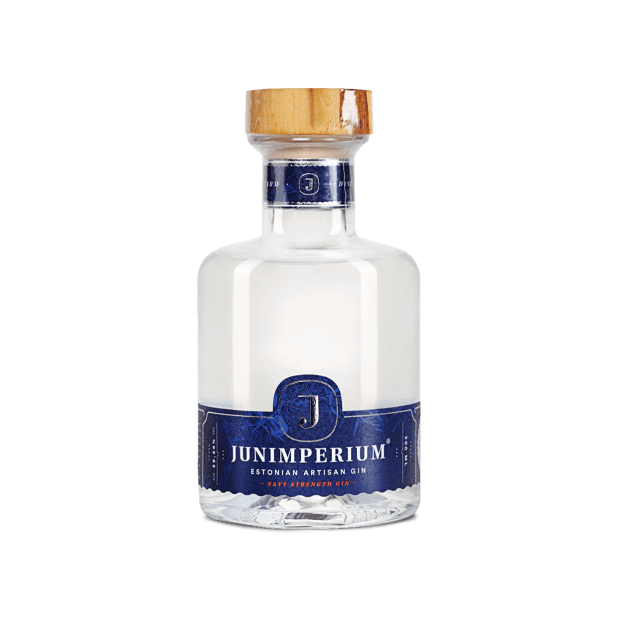
Beef, whether served as a seared steak or a plate of cured charcuterie, demands a companion that won’t get lost in its intense savory profile. This is where Junimperium Navy Strength Gin excels. With its robust 59.2% ABV and concentrated juniper notes, it has the weight required to stand up to the richest cuts.
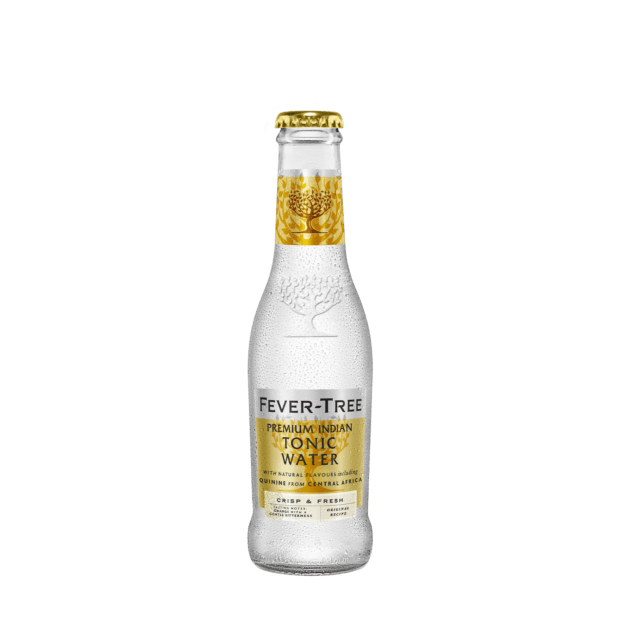
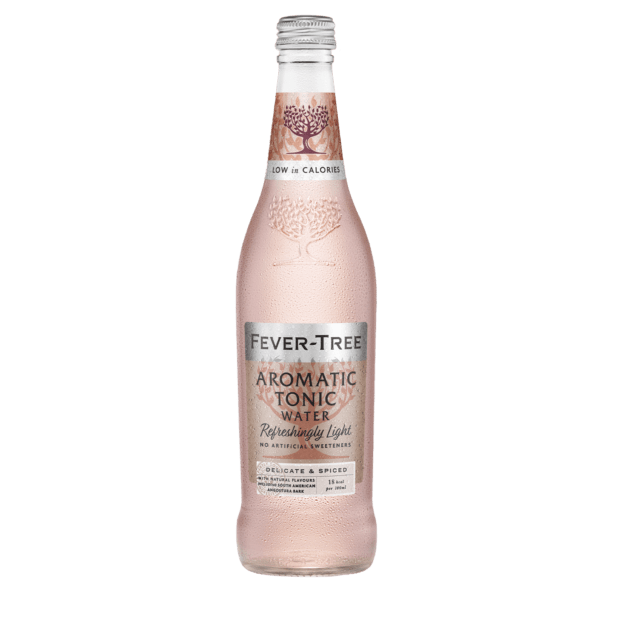
A Navy Strength Gimlet—tart, concentrated, and incredibly crisp—acts as the ultimate palate cleanser for high-fat meats. To prepare one, shake 50 ml of Navy Strength gin, 25 ml of fresh lime juice, and 15 ml of simple syrup, then strain into a chilled glass. If you prefer a longer serve, try a classic Gin & Tonic with a spicy tonic water and a crack of fresh black pepper. You can learn more about finding the best tonics for gin here.
Pork and Game: Embracing Fruit and Forest Notes
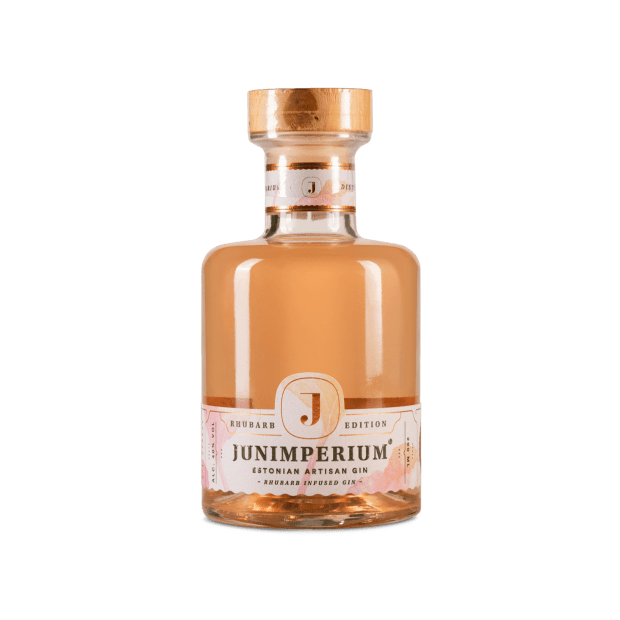
Pork and game are best complemented by gins featuring orchard fruit or forest berry nuances. The natural sweetness of pork is elevated by rhubarb, while the earthy flavors of venison or elk pair beautifully with lingonberry or cherry.
To balance the richness of a pork roast, try a Rhubarb Collins. The tartness of the fruit and the effervescence of the soda create a refreshing counterpoint to the meat. You will need:
- 50 ml Junimperium Rhubarb Edition Gin
- 25 ml fresh lemon juice
- 15 ml simple syrup
- Chilled sparkling water to top up
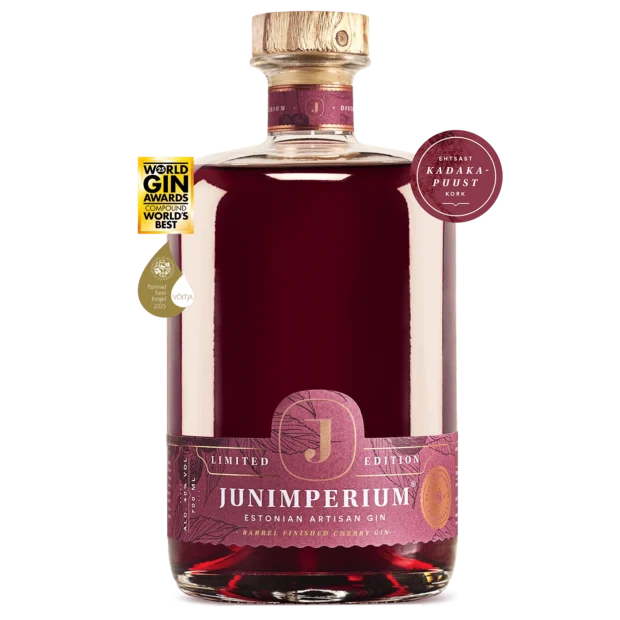
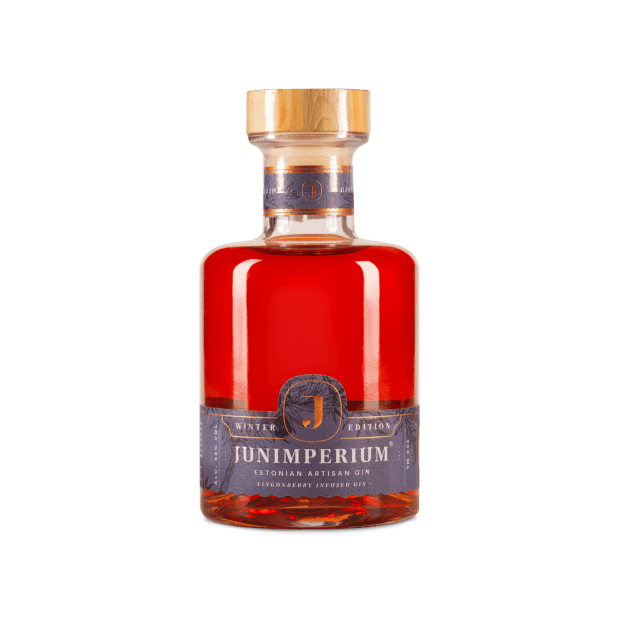
For wild game, look toward deeper, more complex spirits like a barrel-aged cherry gin or a winter edition infused with lingonberry and warm spices. These same principles of balancing berry sweetness with savory depth also apply when pairing gin and cheese.
Poultry and Botanical Brightness
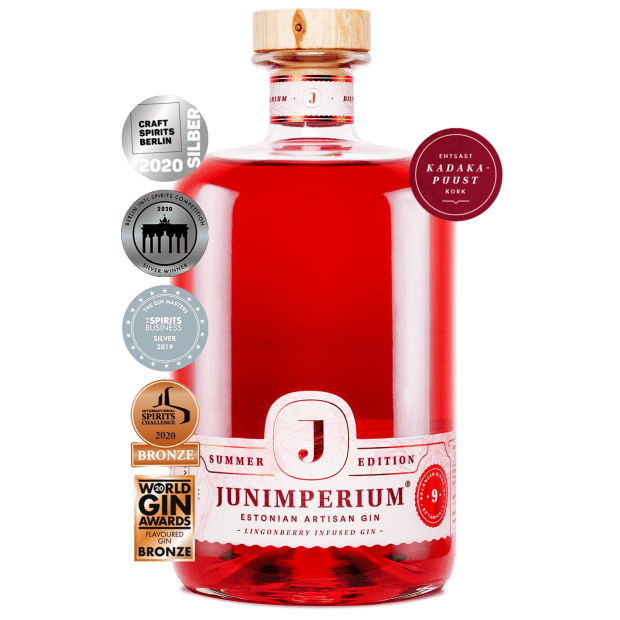
For delicate poultry like roasted chicken or duck breast, a fresh, floral gin profile is the most sophisticated choice. Junimperium Summer Edition Gin, with its bright and breezy botanical mix, highlights the tenderness of the meat without overwhelming it, particularly when the poultry is grilled or smoked.
For a richer preparation like pan-seared duck, we recommend experimenting with Negroni variations. The bittersweet complexity of a Negroni—with its blend of juniper, herbal vermouth, and aromatic bitters—is sophisticated enough to keep pace with the fatty skin and distinct flavor of the duck, resulting in a true restaurant-quality experience.
Pro Tips for the Home Bartender
To ensure a flawless dinner pairing, focus on the aromatic details. If you’ve seasoned your meat with fresh herbs like thyme or rosemary, use those same herbs as a cocktail garnish. Be sure to lightly “slap” the herbs against your palm before adding them to the glass; this expresses the essential oils and creates an immediate aromatic link to the food on the plate.
The quality of your ice is just as important as the spirit itself. Large, clear ice cubes melt slowly, preventing the drink from becoming over-diluted and maintaining the flavor balance from the first sip to the last. Additionally, don’t be afraid to serve gin cocktails in wide-bowled wine glasses; this allows the botanicals to “breathe” and adds a sense of occasion to the meal. For more technical advice on ice and glassware, visit our page on home cocktails.
Pairing gin with food is a creative journey where the goal is to enhance, not overshadow. Explore our full gin selection to find the centerpiece for your next dinner party. For more inspiration and recipe ideas, browse our cocktails page or visit our distillery in the heart of Telliskivi.