
Do you consider gin merely a summer party drink? In reality, its botanical diversity is a secret weapon that offers dining experiences wine cannot always match. This guide will help you discover the basics of gin and food pairing and turn your next dinner into a memorable flavor experience.
Why does gin pair so well with food?
Unlike vodka, which is neutral in taste, or whiskey, which can dominate food with its oakiness, gin holds a unique role in the culinary world. Its secret lies in gin botanicals. Since the heart of gin is the juniper berry, accompanied by dozens of herbs, spices, and citrus fruits, it finds a common language with food precisely through similar aromas.
Gin’s botanicals create harmony with dishes that share similar herbal, floral, or citrus notes. Additionally, gin acts as an excellent palate cleanser. The drink’s high acidity and clean finish cut through fatty and rich foods, acting similarly to sparkling wine. This prepares the palate for every subsequent bite, keeping taste buds alert throughout the meal.
Two Golden Rules: Harmony and Contrast
There are two main approaches to pairing food and drink, which are easy to follow at home. The first is harmony, or seeking similarity. Choose a gin whose flavor profile matches that of the food. For example, a citrusy gin pairs perfectly with lemon-seasoned seafood or a fresh salad, creating a complete and unified flavor bouquet.
The second approach is contrast. Here, you choose a gin that offers a counterbalance to the food. For example, a spicy and strong gin balances a rich creamy sauce or fatty cheese. To make informed choices, it is worth first familiarizing yourself with what gin is and what the main types of gin are, as London Dry and Old Tom behave very differently with food.
Practical Examples: Which Junimperium Gin to Choose?
At Junimperium, we have created a diverse selection of gins, each with its own character and ideal moment of use. We bring you specific recommendations on how to pair our gins with different courses.
Seafood and Light Snacks
A classic London Dry style gin is the best companion for seafood. The resinous nature of juniper berries and citrus notes bring out the freshness of fish and shellfish. Experts often note that this type of gin pairs ideally with oysters and salmon, as the botanicals reflect salty notes.
Our Blended Dry Gin is a sure choice here. Its strong juniper flavor and slight peppery note fit perfectly alongside gravlax, shrimp, or fresh oysters. Serve it with a high-quality tonic so the bubbles add textural contrast and refresh the taste buds.
Cheese Selection and Meat Dishes
If you plan to serve a richer cheese selection, especially blue cheese, or cured meat, you need a gin with character. Fatty food requires a drink that can cleanse the palate and compete with intense flavors.
Blue cheeses pair well with higher alcohol content gins, which intensify peppery notes and create a bold contrast. Here, our Navy Strength Gin is indispensable. With its higher strength and robust flavor, it can stand up to even the most intense flavors without being overshadowed by the food.
Asian Cuisine and Spicy Foods
For spicy food, such as Indian or Thai curry, gin is an surprisingly good choice. The cooling botanicals of the gin help balance the spiciness, while the heat of the food brings out the complexity and hidden nuances of the gin’s aromas.
Here we recommend experimenting with our Winter Edition Gin, which features lingonberry, coriander, and cardamom. These warm spices harmonize perfectly with oriental dishes. A gin with a sweeter undertone also fits here, alleviating the sharpness of chili and offering pleasant relief.
Desserts and Fruits
Gin also pairs excellently with dessert. Citrus-based gins complement lemon cakes and sorbets, as they share the same acidic notes that highlight sweet flavors.
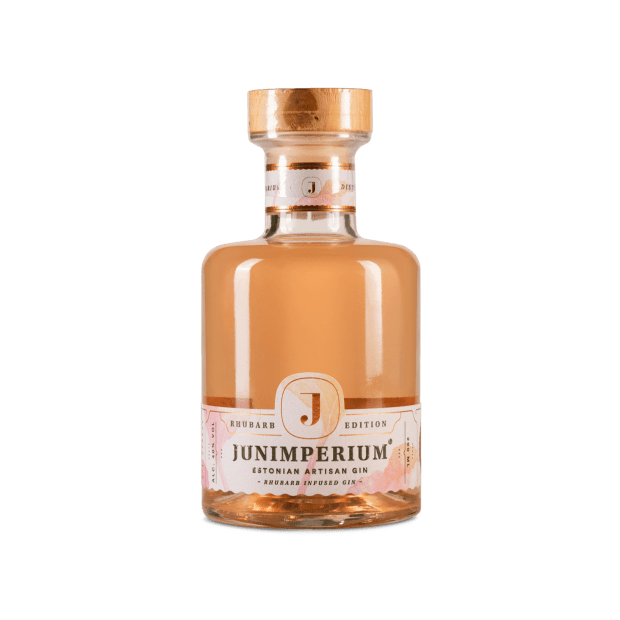
Berry desserts, like Pavlova or cheesecake, however, require something juicier. Our Rhubarb Edition Gin or Cherry Edition Gin are excellent choices here. The tartness of rhubarb or the depth of cherry create a wonderful synergy with the dessert. We recommend using a slightly sweeter tonic alongside desserts to maintain flavor balance.

Don’t Forget the Tonic
Since most gin is consumed as a G&T cocktail, the choice of tonic is just as important as the choice of food. Alongside savory foods and seafood, it is wise to choose a drier tonic with lower sugar content so as not to overshadow the fine flavors of the food. For desserts, the tonic can be berry-flavored or sweeter to form a unified whole with the dessert. Check out our selection of non-alcoholic drinks to find a worthy partner for your gin.
How to Start?
The best way to learn is by experimenting. The next time you prepare dinner, pour a glass of gin and tonic instead of wine. Think about which botanicals are in your glass and whether they would suit your food.
However, if you wish to experience professional food and gin pairing and hear stories directly from the masters, our distillery in Telliskivi awaits you. We regularly organize tours and tastings where we talk at length about how to taste gin and which nuances to look for. Or why not surprise a friend and choose one of our gift sets to organize a home tasting evening?
Discover your favorites and enjoy the journey of flavors!