
Ever feel like a high-end craft gin is getting lost in the glass, buried under a mixer that is just too sweet or overpowering? Since tonic makes up roughly three-quarters of your drink, its quality and how well it complements your gin’s flavor profile are essential to a great tasting experience.

The Role of Tonic in a Gin Cocktail
Tonic isn’t just a filler; it is a partner designed to elevate a gin’s botanicals, not mask them. Understanding what gin is at its core is the first step in deciding which mixer to reach for. Traditional tonic water consists of carbonated water, sugar, and quinine—the source of that signature bitterness.
Modern craft tonics, however, offer a much broader spectrum, ranging from bright citrus and soft florals to deep, spicy notes. To make the right choice, you first need to understand the different types of gin, as a classic London Dry requires a very different approach than a sweeter, berry-forward gin.
Key Tonic Types and Their Flavor Profiles
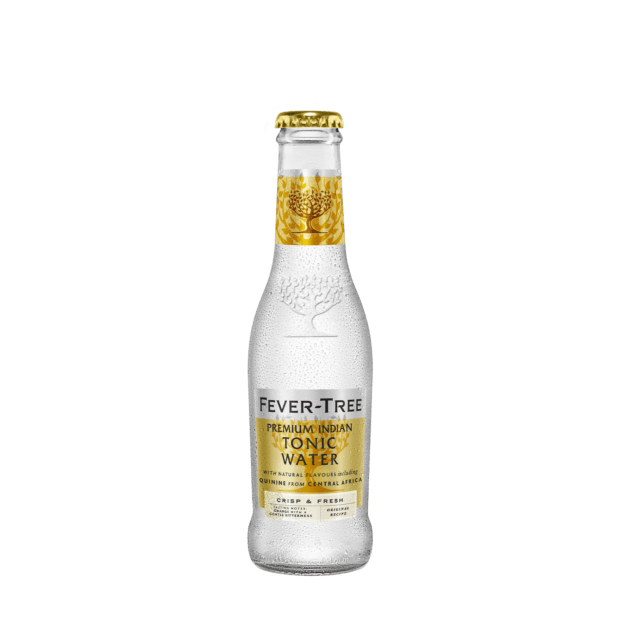
The world of mixers has exploded in recent years, and tonics now fall into several distinct categories. Indian Tonic is the most traditional, offering a bold quinine bitterness and balanced sweetness, often rounded out with fresh lime or lemon notes. This style is the go-to for juniper-heavy gins that need a crisp counterpoint to the heat of the alcohol.
For a cleaner experience, Light tonics have been developed with significantly less sugar. This allows the gin’s more delicate, subtle botanicals to stand out without being overshadowed by sweetness. Flavored and aromatic tonics—infused with ingredients like elderflower, cucumber, or herbs—are designed to accentuate specific notes in the spirit. Additionally, Bitter Lemon mixers, which combine real lemon juice and gentian root with quinine, offer a more robust, tart alternative to the classic G&T.

Which Tonic Pairs Best with Your Gin?
Finding the perfect match requires looking into the gin’s base flavors. If you take a moment to properly taste the gin and understand its character, you’ll quickly see how different tonics can completely transform the final drink.
Classic and Juniper-Forward
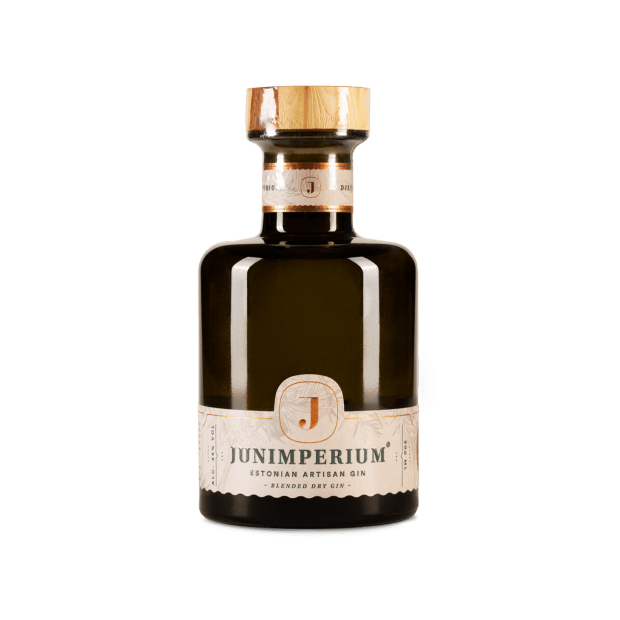
Spirits with a punchy juniper profile, such as our Blended Dry Gin, are made to shine alongside a high-quality Indian Tonic. This is a timeless combination where the tonic’s bitterness and the gin’s resinous, slightly peppery character create a perfectly balanced drink. This pairing captures the essence of a classic G&T: refreshing, deep, and crisp.
Bold and Intense
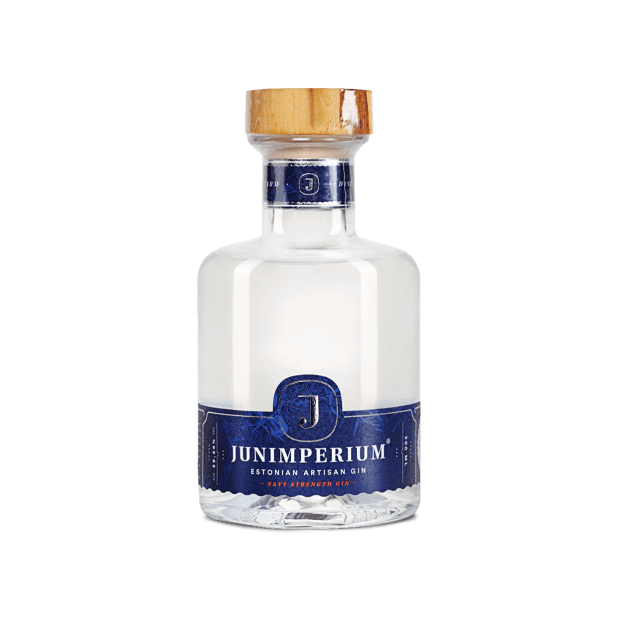
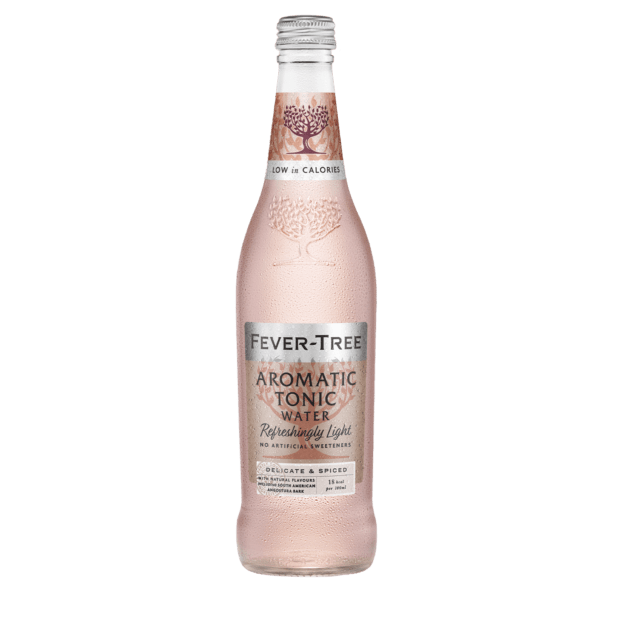
Navy Strength gins, with their higher alcohol content, are more concentrated and hold their own even when paired with complex mixers. For these, try aromatic tonics that feature spicy notes like cardamom or angostura bark. Fever-Tree Aromatic is an excellent choice here, as its spiciness supports the gin’s intense juniper and zesty citrus notes.
Berry-Infused and Floral
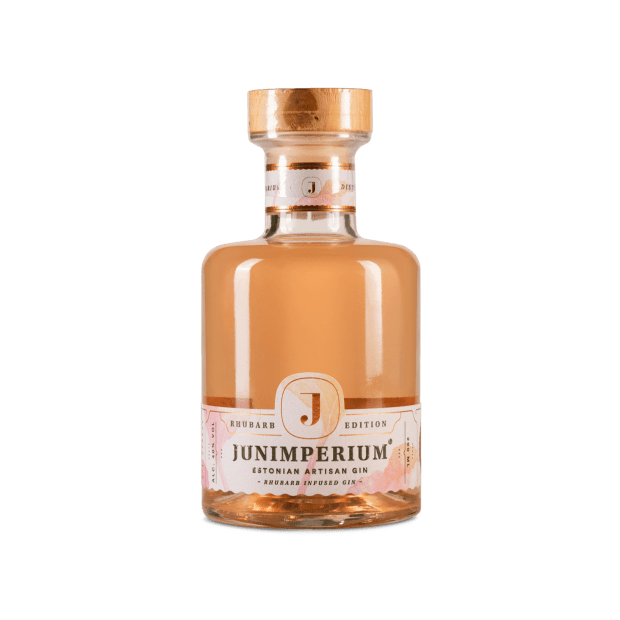
Flavored gins, including rhubarb or cherry varieties, generally have a softer, fruit-forward character. With these, avoid overly aggressive quinine, which can drown out the delicate fruit notes. Instead, opt for citrus-based tonics or a classic Indian Tonic paired with a fresh fruit garnish. You can find more inspiration for gins with floral and cherry aromas in our cocktail recommendations.

Seasonal Flavors
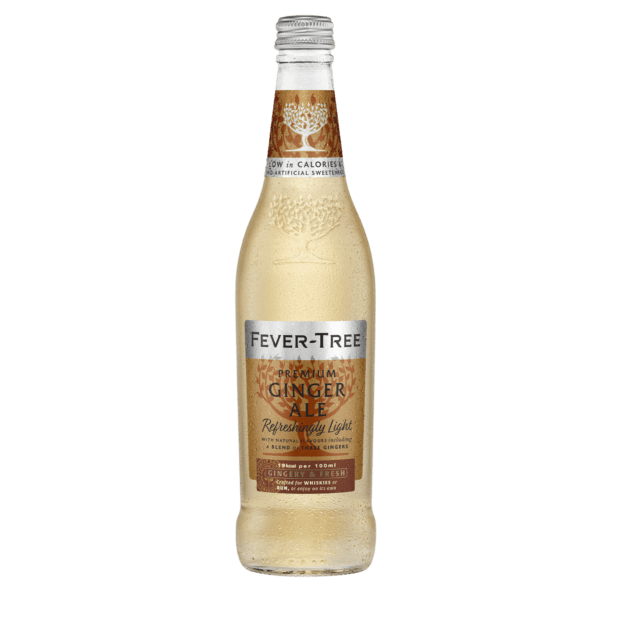
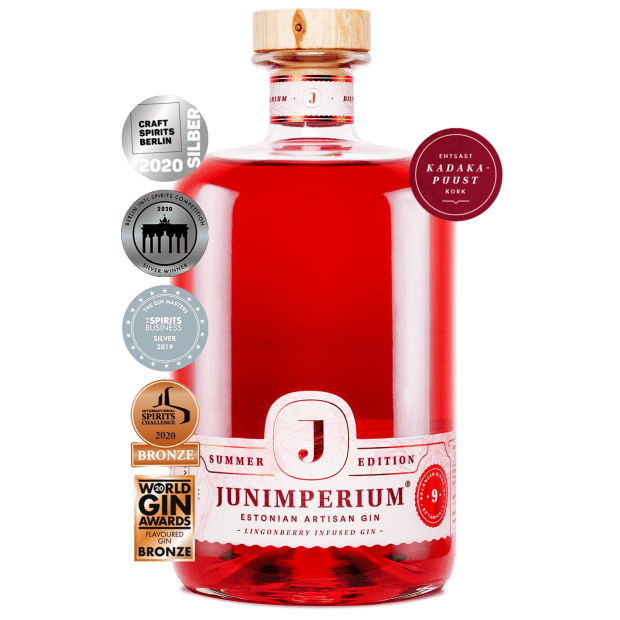
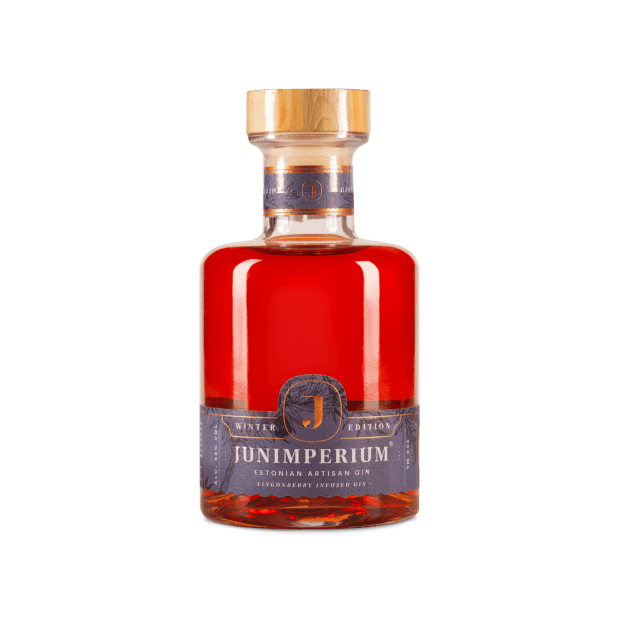
Summer and winter editions offer a chance to get creative. The brightness of a summer gin is best emphasized by a classic tonic with cucumber or mint, while the spicy, bittersweet notes of a winter gin pair beautifully with a high-quality ginger beer. Fever-Tree Ginger Ale is another exciting alternative, bringing out the warm, spicy character of our Winter Edition.
Pro Tips for the Perfect G&T
Even the best ingredients won’t save a drink if the basics are ignored. The foundation of any bar-quality cocktail is plenty of ice—fill your glass with large, cold cubes that melt slowly to prevent the drink from becoming watery. For the ideal balance, follow the golden ratio: one part gin to three parts tonic (for example, 40ml gin to 120ml mixer).
Your choice of glassware also matters; a wide-mouthed Copa glass is recommended to help release the aromas. Pour the tonic slowly over the ice or down a bar spoon to keep the carbonation intact. Finally, let the botanicals in the gin guide your garnish—citrus-forward drinks love grapefruit, while spicier gins pair well with rosemary or peppercorns. You can find similar professional advice from home cocktail enthusiasts around the world.
For more recipes and inspiration, visit our cocktails page. Finding your signature gin and tonic pairing is a personal journey, so don’t be afraid to experiment. Start with the classics and move toward more unique mixers to find the combination that suits your palate. You can explore a wide range of premium additions in our non-alcoholic drinks section.