
Do you want to craft drinks at home that rival those from the city’s most prestigious cocktail bars? The secret to a perfect cocktail isn’t found in complexity, but in mastering the right techniques and using premium ingredients that allow the gin’s unique botanicals to truly take center stage.

The Core Essentials: Ice, Glassware, and Ratios
Before you start mixing, it’s important to understand that mixology is a delicate balance of chemistry and aesthetics. Ice is far more than just a cooling agent; it is a vital ingredient that manages both temperature and dilution. Always opt for large, fresh ice cubes—they melt slowly, keeping your drink perfectly chilled without over-diluting the flavors.
Your choice of glassware also dictates how the cocktail’s aromas reach your senses. To master the art of serving gin at home, use a wide Copa glass for a Gin & Tonic, as its shape allows the botanicals to breathe alongside the ice and garnish. For a Martini, a classic coupe or a narrow-rimmed cocktail glass is essential for concentrating the spirit’s essential oils. Finally, keep the “golden ratio” in mind: most gin-based drinks find their perfect equilibrium with one part gin to two or three parts mixer.
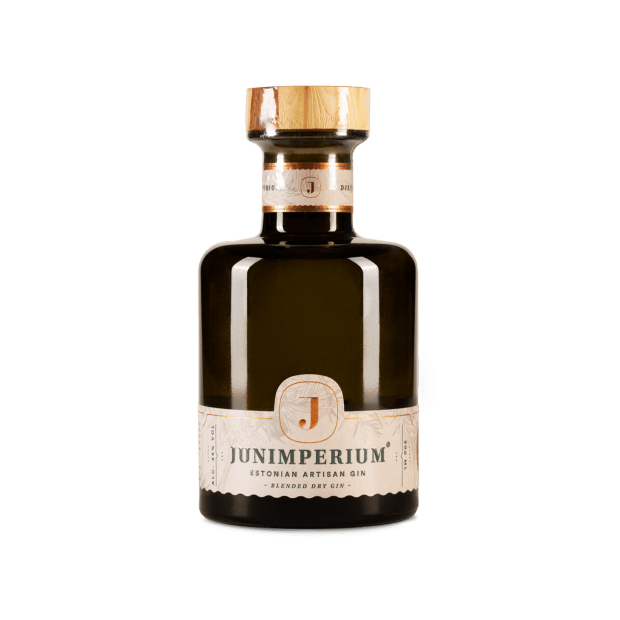
The Gin & Tonic – A Timeless Staple
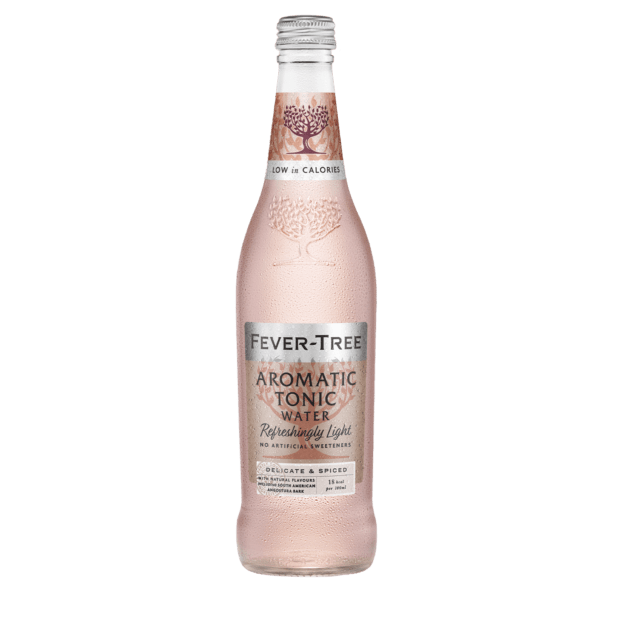
The most iconic gin cocktail may seem simple, but its perfection lies in the harmony of its components. A standard pour is 40 ml of gin to 120 ml of premium tonic water, served over a glass packed with ice. To preserve the carbonation and keep the bubbles lively, pour the tonic slowly at a 45-degree angle down the side of the glass or over the back of a bar spoon.
To select the best tonics for gin, you must first understand your gin’s flavor profile. London Dry styles, with their bold juniper forwardness, pair beautifully with a classic Indian Tonic, where the bitterness of the quinine complements the resinous and peppery notes. On the other hand, more floral or fruit-forward gins thrive with lighter citrus or floral tonics that won’t mask the spirit’s delicate nuances.

The Negroni – A Bold Italian Masterpiece
The Negroni is designed for those who appreciate depth, spice, and a sophisticated bitterness. It is built on three equal parts: 30 ml gin, 30 ml sweet red vermouth, and 30 ml bitters. Unlike many refreshing cocktails, a Negroni should be stirred, not shaken. Stirring the ingredients with ice in a mixing glass for about 30 seconds ensures the perfect temperature and controlled dilution before straining it into a chilled glass.
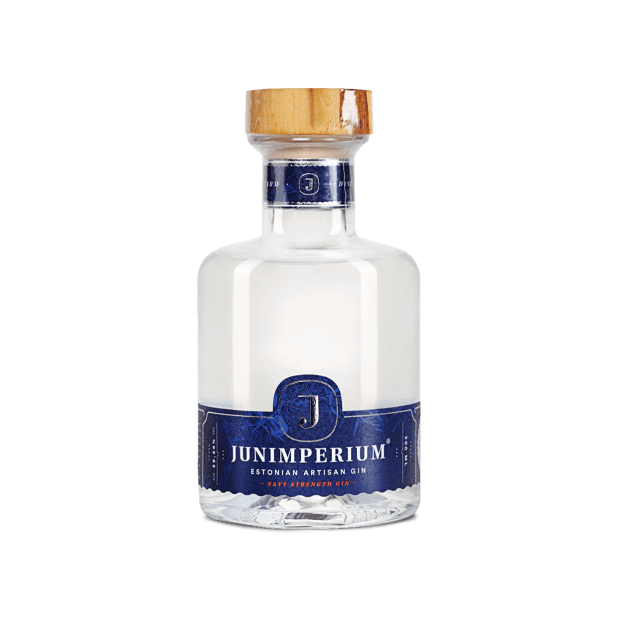
If you are looking for a more robust and intense experience, it is worth exploring various Negroni variations. For instance, using a Navy Strength gin (with an ABV of 59.2%) ensures the gin’s character and spice remain prominent even as the ice melts, resulting in a significantly punchier flavor than the traditional recipe.

The Dry Martini – Precision and Sophistication
The Martini remains the pinnacle of the cocktail world, leaving no room for error or subpar ingredients. Temperature is the defining factor here, which is why both the glass and the spirits should be thoroughly pre-chilled. The classic recipe calls for 60 ml of dry gin and 10 ml of dry vermouth, stirred with ice until the mixing glass is frosty and the drink has reached its optimal chill.
Choosing the right gin is critical for a Martini because the drink is so clean and spirit-forward, exposing every subtle note. A gin with a strong juniper backbone and a hint of citrus provides the necessary structure to hold the cocktail together. You can dive deeper into the impact of different base spirits in our guide to gin types to find your perfect Martini base.
Tom Collins and Gimlet – A Masterclass in Refreshment
For those who prefer a brighter, more vibrant profile, the Tom Collins and the Gimlet are home bar essentials—perfect for cooling off on a warm day. A Tom Collins consists of 50 ml of gin, 25 ml of fresh lemon juice, and 15 ml of simple syrup, topped with sparkling water. This long drink accentuates the citrus notes of the gin for a crisp, summery finish.
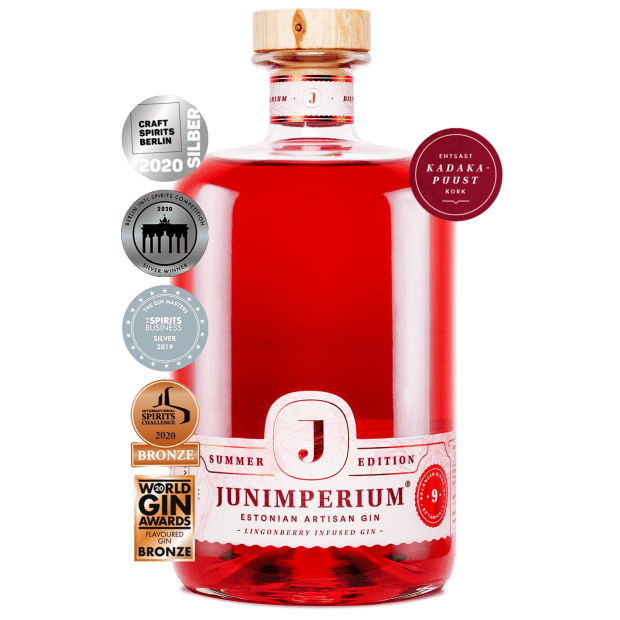
The Gimlet, meanwhile, is all about the pure harmony between gin and lime. To prepare it, shake 50 ml of gin with 25 ml of fresh lime juice or a premium lime cordial. For a modern twist, try using special editions infused with rhubarb or summer berries. When the weather turns colder, try the spicier Winter Collins, which adds seasonal flavors to the classic template.



Secrets to Mastering the Home Bar
Excellence in cocktail making comes down to the small details that separate an amateur from a professional. Always use freshly squeezed citrus juice; bottled concentrates lack the brightness and aromatic oils found in fresh fruit. When it comes to garnishing, remember it’s functional, not just decorative. A quick twist of citrus peel over the glass releases essential oils, creating the aromatic “cloud” that defines that first, perfect sip.
The best way to refine your skills and discover new flavors is to continue practicing home cocktails. Every gin features a unique botanical blend, so don’t hesitate to experiment with different garnishes and ratios. If you’d like to see how Estonia’s most awarded craft gin is produced and get some hands-on inspiration from the experts, you are always welcome to visit our distillery in Tallinn’s Telliskivi district.
Start your cocktail journey and find the best ingredients at the Junimperium e-shop