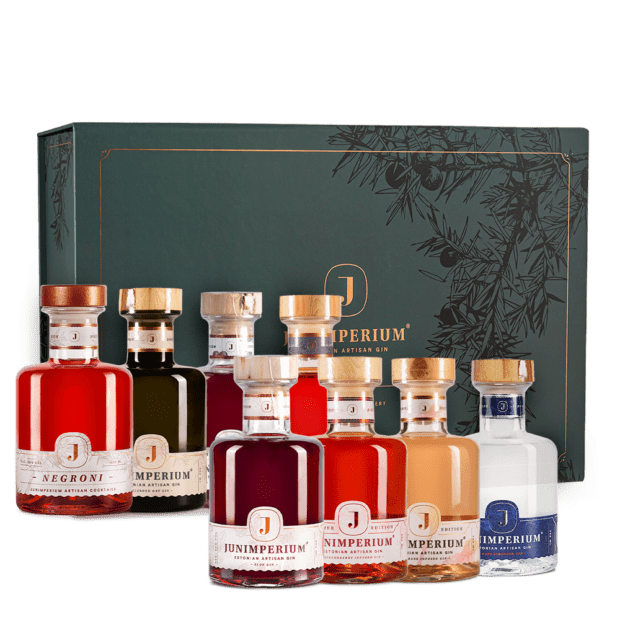
Have you ever wondered why one gin is crisply piney while another surprises you with soft floral notes or spicy warmth? The secret lies in the selection and synergy of its botanicals, which give every bottle its own distinct personality.

Juniper: The Heart and Soul of Gin
Quite simply, gin wouldn’t be gin without juniper. According to European Union regulations, what gin is and how it is legally defined depends on the presence of common juniper (*Juniperus communis*). Juniper berries provide that signature crisp, piney, and resinous backbone that serves as the foundation of the spirit’s identity.
High-quality berries also contribute subtle citrus and peppery undertones. Depending on their origin and ripeness, the influence of juniper can range from sweet to intensely spicy. Different types of gin, like the classic London Dry, lean heavily into this sharp, clean profile, putting those resinous notes front and center.
Seeds and Spices for Zest and Complexity
After juniper, coriander is the most essential ingredient. Unlike the fresh herb used in cooking, dried coriander seeds provide a citrusy, spicy “lift” that brightens the resinous juniper and makes the spirit more vibrant. It’s often this “hidden” element that makes a gin’s aroma feel so fresh and inviting.
To build a more complex profile, distillers turn to a variety of other spices:
- Cardamom adds aromatic warmth and a hint of eucalyptus-like freshness.
- Cinnamon and cassia bark provide a sweet, spicy depth, often found in winter-themed gins.
- Grains of paradise and various peppers offer a long, zesty, and slightly tingling finish.
If you want to see how a higher gin alcohol content can amplify these spice notes, try a Navy Strength gin. In these high-proof spirits, the botanical intensity is perfectly balanced, allowing the spices to cut through even in complex cocktails.
Roots: The Foundation of Aroma and Texture
Roots like angelica and orris play a vital role in gin, even if they aren’t the most prominent flavors on the palate. Their primary job is to act as a fixative, anchoring volatile aromatic oils into a cohesive whole and providing structure to the spirit. These gin botanicals are carefully balanced so that no single ingredient overwhelms the others.
Angelica root brings earthy, woody, and slightly smoky notes, creating a solid foundation. Orris root (the root of the iris flower) offers a delicate floral scent reminiscent of violets and provides a creamy, smooth mouthfeel—one of the hallmarks of a premium craft gin.
Fruits and Peels for a Bright, Citrus Finish
Citrus peels—such as lemon, orange, and grapefruit—are staples in almost every gin recipe, lending essential brightness and acidity. Modern craft gins often go further by incorporating local fruits and berries to create a more approachable, fruit-forward profile. This is a key element to look for when learning how to taste gin and distinguish between different nuances.
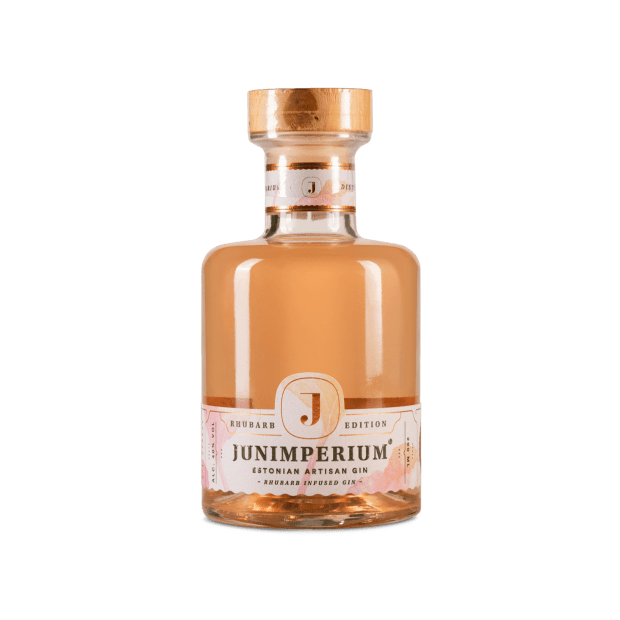
In Estonia, gins featuring rhubarb or cherries have become particularly popular. Rhubarb adds a distinct tartness with a hint of honeyed sweetness, perfect for summer. Cherries, meanwhile, offer a deep, rich, and slightly floral character that unfurls in layers, leaving a long-lasting finish on the tongue.

From Botanicals to the Bottle
The specific method of gin production influences the final flavor just as much as the ingredients themselves. Common techniques include maceration, where botanicals are steeped in spirit, or vapor infusion, where alcohol vapor passes through a botanical basket to extract more delicate aromas. Some ultra-premium spirits even use vacuum distillation at lower temperatures to preserve fragile flavors.
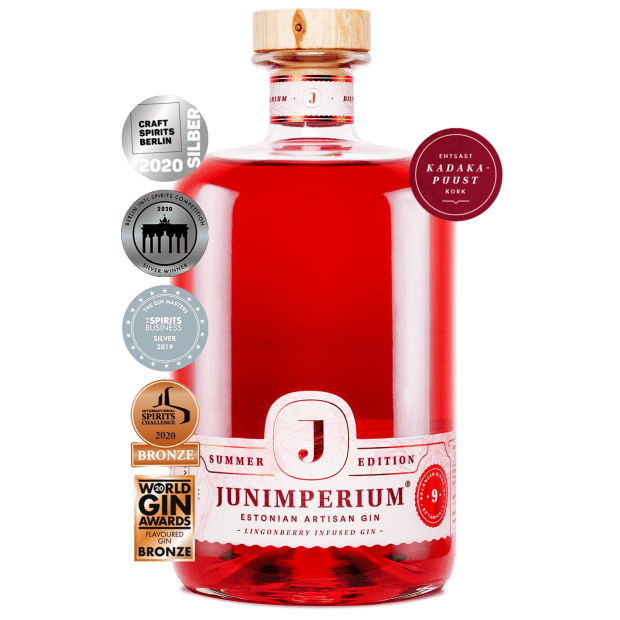
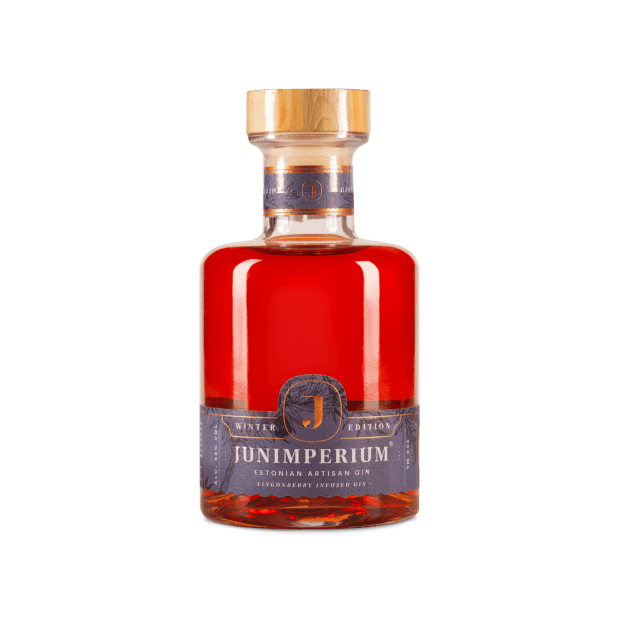
The distillers at Junimperium use nearly 60 different plant components across their range to create multi-layered experiences. Their seasonal editions are specifically designed to capture a certain time of year; the Summer Edition is bright and refreshing, while the Winter Edition is unfiltered, featuring lingonberry extract for a warm, spicy profile.
The best way to understand these flavors is to sample gins that highlight specific botanicals. Whether you prefer the classic punch of juniper, a summery berry infusion, or deep spicy notes is entirely down to personal preference. To dive deeper into the world of craft spirits, tasting sets or specialized guides are excellent tools for comparing styles and finding your new favorite bottle.