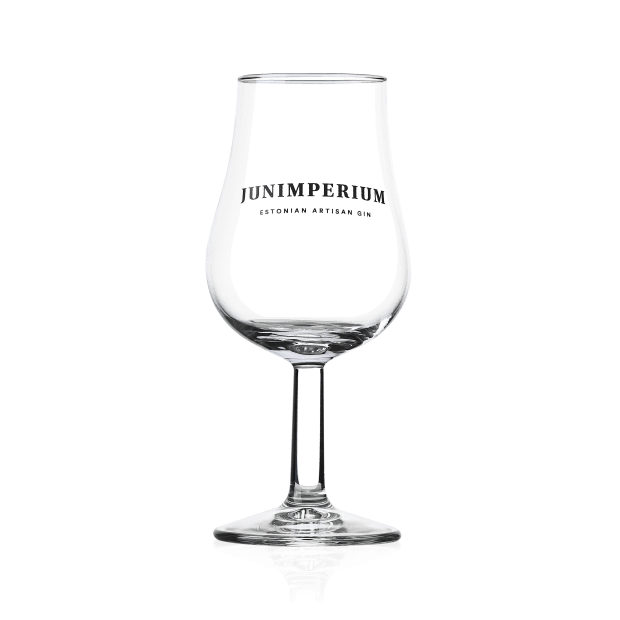
Is your favorite gin still as vibrant as the day you first uncorked it? Improper storage can quickly dull the delicate aromas of even the finest craft spirits. To keep your collection at its best, it is essential to understand how both the making gin process and its subsequent storage impact the quality of every pour.

Ideal Temperature and Stability
Gin is a relatively hardy spirit, but where you keep it plays a critical role in its longevity. For unopened bottles, the optimal storage temperature is between 15°C and 20°C. However, temperature stability is even more vital than the specific number on the thermometer; constant fluctuations cause the liquid to expand and contract. Over time, this movement can damage the cork and let air seep in, leading to oxidation.
It is particularly important to avoid spots where temperatures swing wildly throughout the day. Common “danger zones” in the home include areas near the stove or oven, radiators, and sunny windowsills. To get the most out of the experience, a professional gin tasting usually requires the spirit to be served at room temperature or slightly cooler, allowing the full complexity of the botanicals to shine.
Why You Should Always Store Gin Upright
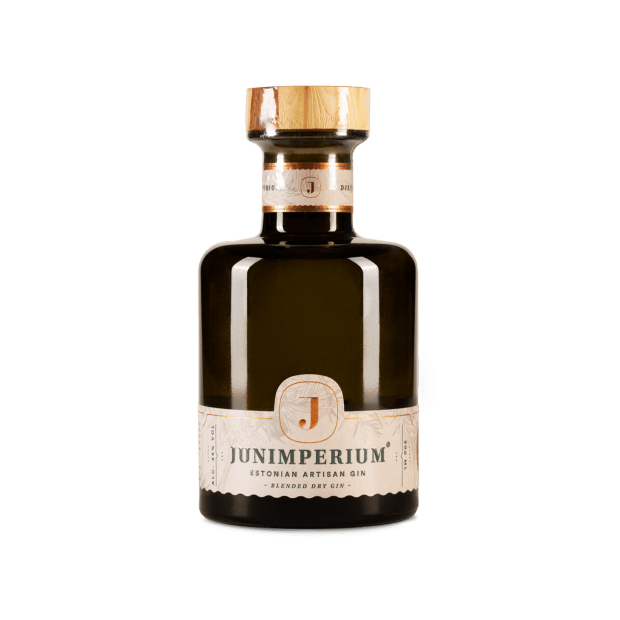
Unlike wine, which is stored on its side to keep the cork moist, high-proof spirits must always stand upright. Because the alcohol content of gin is so high—typically between 37.5% and 47% or more—constant contact with a natural cork will cause it to degrade over time. As the cork disintegrates, it won’t just spoil the flavor of the drink; it will also make it impossible to maintain an airtight seal.
If your bottles have natural corks, it is also worth keeping an eye on the humidity of the room. A humidity level between 50% and 70% helps prevent the exterior of the cork from drying out and shrinking. Ultimately, storing the bottle upright is the simplest way to ensure the high alcohol content doesn’t react with the closure.
Light: Gin’s Greatest Enemy
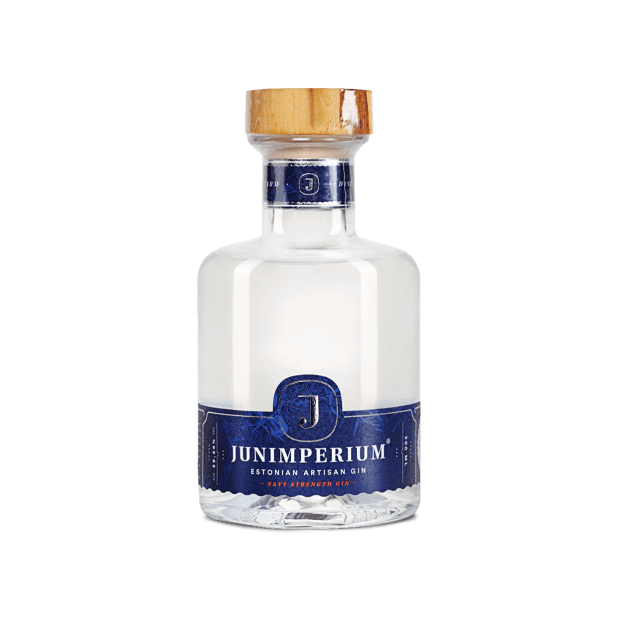
Clear spirits are exceptionally sensitive to light. Direct UV rays trigger chemical reactions that break down the delicate botanical oils. These components—such as juniper berries and various citrus notes—are exactly what give gin its unique character and identity.
The best place for a home bar is a dark cabinet or a shelf shielded from direct sunlight and harsh artificial lighting. This is especially critical for lighter, more floral, or summery editions where the aromas are more fragile. A bottle kept in a cool, dark place will maintain its original flavor profile for years.

How to Handle an Open Bottle of Gin
Once a bottle is opened, oxidation begins. As air enters the bottle, it reacts with the alcohol and botanicals. While an open bottle won’t “go bad” in the way food does, its aromatic profile will gradually fade. To preserve the quality of an open bottle, follow these tips:
- Always press the cork down firmly to ensure a tight seal.
- If there is less than a third of the gin left, transfer it to a smaller bottle to reduce the amount of air contact (headspace).
- Use a high-quality vacuum sealer or a replacement stopper if the original cork is damaged.
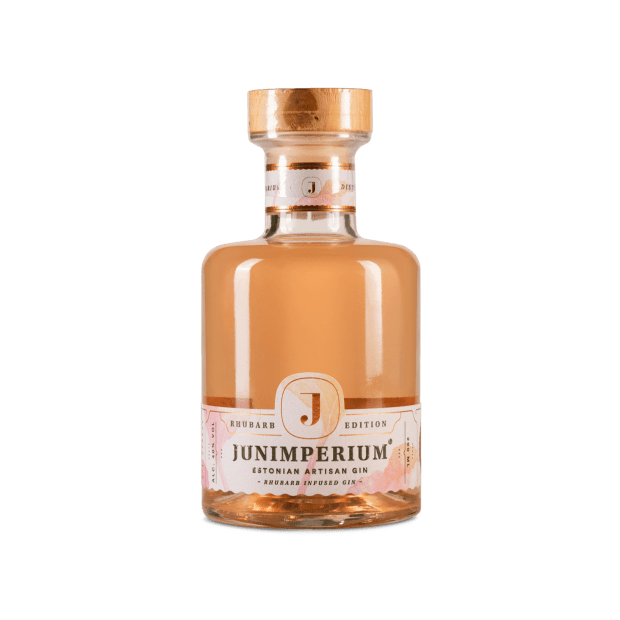
While an open bottle will stay in good condition for several months, it is best consumed within 6 to 12 months for the optimal experience. This is especially true for flavored gins, as fruity or berry notes are much more susceptible to oxidation.

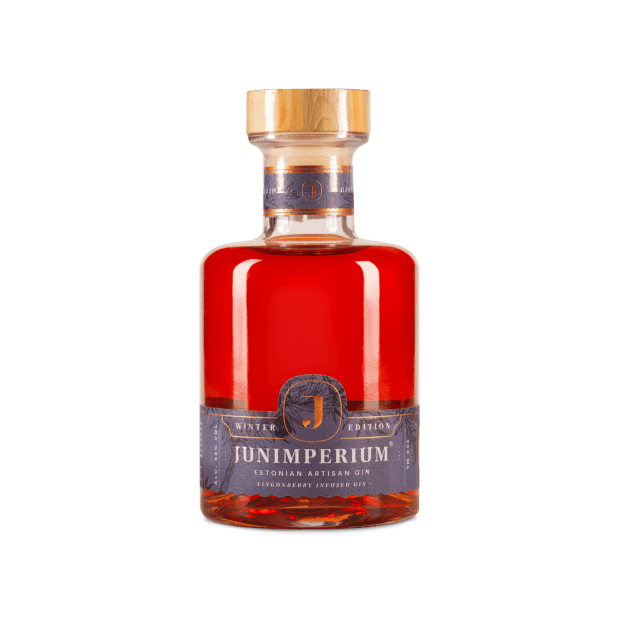
Should Gin Be Kept in the Refrigerator or Freezer?
While gin doesn’t have to be kept in the fridge, doing so is perfectly acceptable and often recommended. Storing gin in the freezer makes the liquid more viscous and creates a silkier mouthfeel—a popular choice for martinis and other spirit-forward drinks. This allows you to achieve maximum chill without over-diluting the drink with ice.
For everyday use, keeping your gin in a cool cabinet and using large, high-quality ice cubes is perfectly fine for making cocktails at home. However, if you are planning to compare different types of gin, the ideal serving temperature is 15–18°C, which allows the aromas to open up most effectively.
By choosing a dark, temperature-stable spot for your collection, you ensure that every glass provides exactly the experience the master distiller intended. Find a proper home for your favorites and enjoy high-quality craft gin at its peak whenever the mood strikes.